Bringing renewable generation into the built environment
As cities become denser and energy demand continues to grow, the opportunity for renewable generation is increasingly moving into the built environment itself.
Neogeia is developing compact renewable energy systems designed to integrate into residential and urban architecture, enabling homes, apartments and mixed-use developments to generate power where it is consumed.
Our approach combines architectural integration, distributed generation and hybrid energy systems, creating opportunities to incorporate renewable power without compromising the character, functionality or aesthetics of the buildings they serve.
Energy within the architecture
For residential buildings, energy generation has traditionally meant allocating space for solar panels, often limited by roof area, orientation or architectural considerations.
Neogeia’s technologies open the possibility of using the building itself as part of the energy-generation system.
Compact vertical-axis turbines can operate within built environments where conventional wind systems may be impractical, while solar generation can be integrated alongside them to create complementary sources of renewable power.
The result is a more flexible approach to distributed generation, particularly where available space is limited.
From individual homes to urban networks
The opportunity extends beyond individual properties.
Multi-residential developments, mixed-use buildings and clusters of homes can become distributed generation nodes within a broader energy network.
Instead of treating each building simply as an energy consumer, developments can increasingly become local producers of electricity, combining generation, storage and intelligent energy management to reduce reliance on centralised infrastructure.
At larger scales, this creates possibilities for interconnected residential developments and urban microgrids, particularly as cities seek more resilient and decentralised energy systems.
Designed for the built environment
For renewable technology to succeed in urban environments, performance is only one consideration.
Systems must also work alongside architecture.
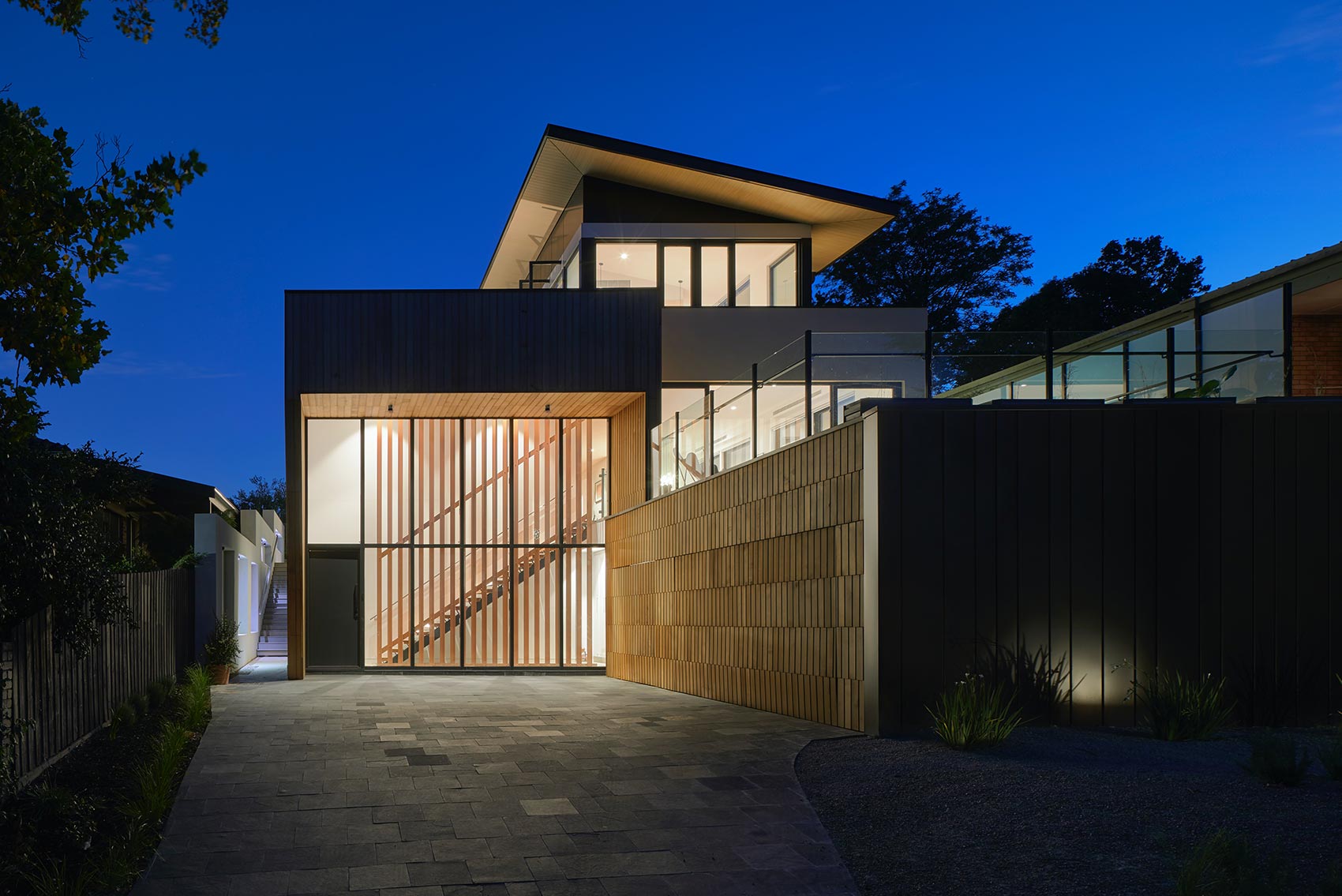
Neogeia is therefore developing technologies with compact footprints, architectural integration and visual compatibility in mind, creating opportunities for renewable generation to become part of the building rather than an addition to it.
This creates a particularly compelling proposition for architects, developers and property owners seeking to combine sustainability with long-term energy performance.
A new role for buildings
As distributed energy systems evolve, buildings may increasingly become active participants in the energy system.
A home, apartment building or mixed-use development could generate a portion of its own electricity, reduce its exposure to rising energy costs and potentially contribute surplus generation to a local network.
Neogeia is exploring the technologies and commercial models that could make this increasingly achievable.
The future of urban energy may not simply be about making buildings more efficient. It may be about making buildings part of the energy system itself.